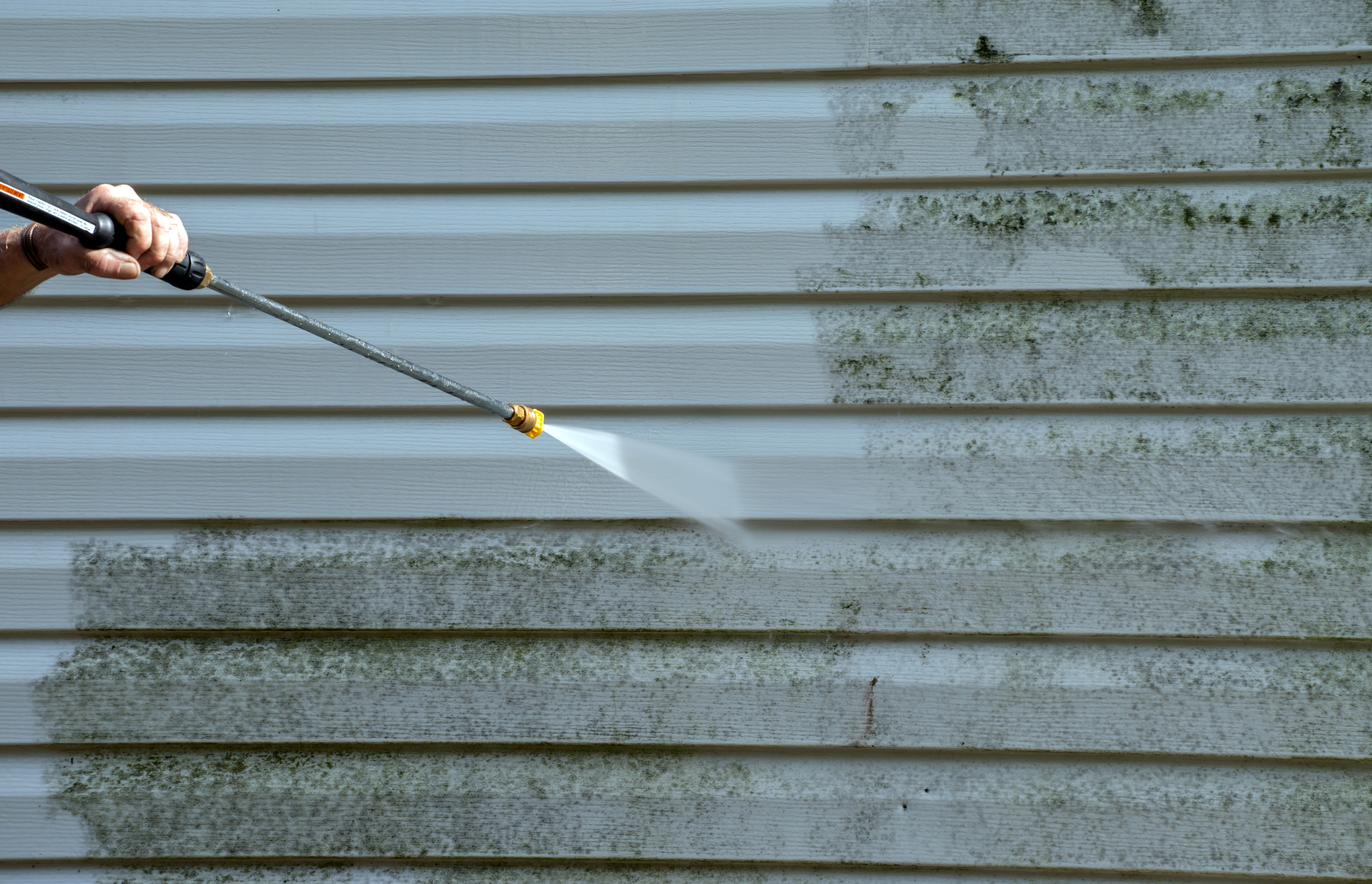
Those green, black, or dark streaks appearing on your home's siding, roof, or concrete surfaces are more than just unsightly blemishes. Algae, mold, and mildew are living organisms that actively damage your home's exterior while potentially threatening your family's health. For Maryland homeowners, understanding these threats is the first step toward protecting your biggest investment.
Maryland's humid climate creates ideal conditions for biological growth on exterior surfaces. Our combination of warm summers, mild winters, and abundant rainfall provides exactly what these organisms need to thrive. Left unchecked, what starts as minor discoloration can lead to significant structural damage and costly repairs.
Types of Growth Found on Maryland Homes
Before discussing the damage these organisms cause, it helps to understand what you're dealing with. Different types of growth require different treatment approaches, and correctly identifying the problem ensures effective removal.
Green Algae
The most common type found on Maryland home exteriors, green algae appears as bright green patches or a thin green film. It thrives in shaded, moist areas and is particularly common on north-facing walls, under trees, and near downspouts. While green algae does not directly penetrate surfaces, it retains moisture that accelerates deterioration.
Black Algae (Gloeocapsa Magma)
Those dark streaks running down your roof shingles are likely Gloeocapsa magma, commonly called black algae or roof algae. This cyanobacteria creates a dark protective coating that shields it from UV rays. Once established, it spreads rapidly across roof surfaces, creating the distinctive dark streaking pattern many homeowners notice.
Mold
Mold appears in various colors including black, green, gray, and white. Unlike algae, mold is a fungus that can penetrate porous surfaces and spread through spore distribution. Mold requires organic material to grow and is often found on wood surfaces, in areas with water damage, or where debris accumulates.
Mildew
Mildew is a surface-level fungus that appears as white or gray powdery patches. It commonly forms on painted surfaces, siding, and other areas that remain damp. While easier to remove than mold, mildew indicates moisture conditions that can lead to more serious problems.
Moss and Lichen
Moss grows in thick, green cushions, particularly on roofs and between pavers. Lichen appears as flat, crusty patches in gray, green, or yellow tones. Both indicate excessive moisture and can cause significant damage to roofing materials and masonry.
How These Organisms Damage Your Home
Many homeowners dismiss biological growth as a cosmetic issue. The reality is far more serious. These organisms actively break down building materials through several mechanisms:
Moisture Retention
All forms of biological growth retain moisture against surfaces. This constant dampness accelerates deterioration of nearly every building material. Wood rots faster, paint fails sooner, metal corrodes more quickly, and masonry breaks down from constant wet-dry cycles. The damage compounds over time as more growth creates more moisture retention.
Root Penetration
Moss, lichen, and some mold varieties extend root-like structures into porous materials. These roots physically break apart surfaces as they grow, creating cracks and gaps that allow water infiltration. On roofs, this root penetration lifts shingles and breaks down the protective granule coating, significantly reducing shingle lifespan.
Chemical Breakdown
Some organisms produce acids and other compounds as metabolic byproducts. These chemicals slowly dissolve and weaken building materials. Concrete, limestone, and other masonry products are particularly vulnerable to this type of acid attack.
Staining and Discoloration
Even after removal, some organisms leave permanent stains. Black algae on roofs and mold on siding can penetrate deeply enough that discoloration remains even after the organisms are killed. Early treatment prevents these permanent marks from forming.
Surface-Specific Damage Concerns
Different surfaces face unique risks from biological growth. Understanding these specific concerns helps homeowners prioritize cleaning and maintenance.
Roof Damage
Your roof is particularly vulnerable to algae and moss damage. Black algae feeds on the limestone filler in asphalt shingles, gradually consuming the material that holds protective granules in place. As granules shed, shingles lose their ability to reflect heat and protect against UV damage. Studies show that severe algae infestations can reduce roof lifespan by up to 10 years.
Moss causes even more direct damage by growing under shingle edges and lifting them. This creates gaps where water infiltrates, leading to leaks, rot, and potential structural damage. In Maryland's freeze-thaw cycles, water trapped under lifted shingles expands as ice, causing further damage.
Siding Deterioration
Vinyl siding can develop permanent staining from prolonged algae and mold exposure. Wood siding faces more serious risks, as mold can penetrate the material, causing rot that spreads behind the visible surface. Fiber cement and stucco develop staining and can experience accelerated wear from moisture retention.
Our professional house washing service addresses these issues with appropriate cleaning methods for each siding type, removing growth without damaging underlying materials.
Concrete and Masonry Problems
Driveways, patios, sidewalks, and brick surfaces suffer from biological growth in multiple ways. Algae creates slippery surfaces that pose safety hazards. Mold and moss retain moisture that accelerates the freeze-thaw damage common in Maryland winters. Roots from moss and lichen physically break apart concrete and mortar joints.
Regular driveway cleaning and patio maintenance removes these growths before they cause permanent damage.
Deck and Fence Damage
Wood decks and fences are extremely vulnerable to mold and mildew. These organisms trap moisture against the wood, accelerating rot and decay. Left untreated, structural members can weaken to the point of failure, creating safety hazards and requiring expensive replacement.
Health Concerns for Maryland Families
Beyond property damage, biological growth on home exteriors creates genuine health risks for residents and visitors:
Respiratory Issues
Mold spores released from exterior growth can trigger allergic reactions, asthma attacks, and other respiratory problems. Maryland's humid climate allows high mold spore concentrations in outdoor air, and heavy growth on home exteriors contributes to this burden. Children, elderly individuals, and those with compromised immune systems face the greatest risks.
Allergic Reactions
Many people are sensitive or allergic to mold, mildew, and even algae. Symptoms include sneezing, runny nose, red eyes, skin rashes, and respiratory irritation. For allergy sufferers, heavy biological growth on their home can mean constant exposure to triggers.
Slip and Fall Hazards
Algae on walkways, driveways, and steps becomes extremely slippery when wet. Maryland's frequent rain creates dangerous conditions on surfaces with algae growth. Falls on hard concrete surfaces can cause serious injuries, particularly for older adults.
Air Quality Impact
While exterior mold does not directly affect indoor air quality, spores can enter homes through open windows, doors, and HVAC systems. Heavy exterior growth increases the overall spore load in the air around your home, which eventually makes its way inside.
Prevention Through Regular Cleaning
The good news is that regular professional cleaning effectively prevents biological growth from causing serious damage. Here is how a consistent cleaning schedule protects your home:
Breaking the Growth Cycle
Algae, mold, and mildew spread through spores. When growth is allowed to mature, it releases countless spores that establish new colonies across your home's exterior. Regular cleaning removes growth before it can reproduce, dramatically slowing the spread across your property.
Removing Food Sources
These organisms feed on organic material that accumulates on surfaces - pollen, dust, leaves, and other debris. Professional cleaning removes this food source along with existing growth, creating less hospitable conditions for regrowth.
Extending Material Lifespan
By preventing moisture retention and physical damage from roots, regular cleaning extends the useful life of every exterior surface. The cost of annual or bi-annual cleaning is minimal compared to premature roof replacement, siding repair, or concrete restoration.
Maintaining Protective Treatments
Many surfaces have protective sealers, stains, or coatings. Biological growth breaks down these protections. Regular cleaning preserves these treatments, reducing the frequency of reapplication.
Protect Your Home from Biological Damage
Don't let algae, mold, and mildew destroy your home's exterior. Dean's BlueWave Services provides thorough, safe cleaning that eliminates biological growth and protects your investment.
Book Your Cleaning Call: 667-435-1130Professional Treatment Methods
At Dean's BlueWave Services, we use proven methods to eliminate biological growth without damaging your home:
Soft Washing for Delicate Surfaces
For roofs, siding, and other surfaces that cannot withstand high pressure, we use soft washing techniques. This combines low-pressure application with specialized cleaning solutions that kill organisms at the root, not just removing surface growth. The result is longer-lasting cleanliness without risk of damage.
Pressure Washing for Hard Surfaces
Concrete, brick, and stone surfaces can handle higher pressure cleaning that physically removes growth along with chemical treatment. Our technicians adjust pressure levels based on the specific surface condition to achieve thorough cleaning without erosion.
Environmentally Responsible Solutions
Our cleaning solutions are designed to be effective against biological growth while remaining safe for your family, pets, and landscaping. We avoid harsh chemicals that can damage plants or contaminate soil and groundwater.
Recommended Cleaning Frequency
How often should Maryland homeowners have their exteriors cleaned? The answer depends on several factors:
- Heavy shade: Homes surrounded by trees may need annual cleaning
- North-facing surfaces: These see less sun and stay damper, requiring more frequent attention
- Proximity to water: Homes near ponds, streams, or the Chesapeake Bay face higher humidity
- Mature landscaping: Dense shrubs that trap moisture against the house increase cleaning needs
- Previous growth: Once established, biological growth tends to return faster
For most Maryland homes, we recommend comprehensive exterior cleaning every 12-18 months, with spot treatments as needed between full cleanings. Learn more in our article about how often to pressure wash your home in Maryland.
Take Action Before Damage Occurs
The organisms growing on your home's exterior are not just cosmetic issues - they are actively damaging your property and potentially affecting your family's health. Early intervention prevents minor problems from becoming major repairs.
At Dean's BlueWave Services, we specialize in removing algae, mold, mildew, and other biological growth from Maryland homes. Our trained technicians use the right techniques for each surface type, ensuring thorough cleaning without damage.
Contact us today for a free assessment of your home's exterior. We will identify problem areas, recommend appropriate treatment, and provide a clear quote for professional cleaning that protects your home for years to come.