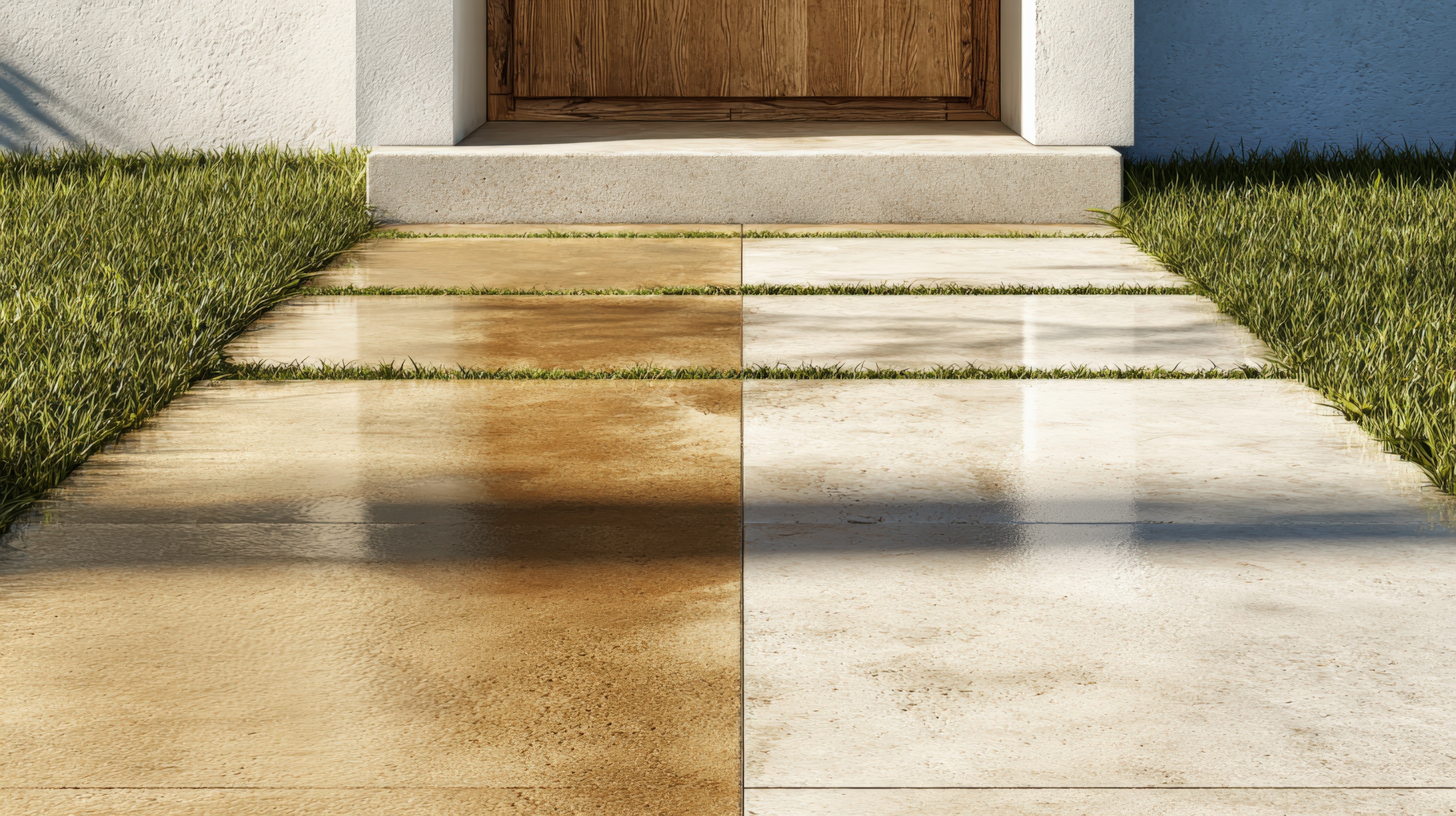
Pressure washing can dramatically transform your property, but it comes with significant risks that many Maryland homeowners underestimate. Every year, emergency rooms across the country treat thousands of injuries related to pressure washing equipment. From severe lacerations to electrical shock, the dangers are real and can have lasting consequences.
Whether you are considering a DIY approach or want to understand what professional service entails, knowing the safety risks involved in pressure washing is essential. This comprehensive guide covers everything Maryland homeowners need to know about staying safe around pressure washing equipment.
Understanding the Power Behind Pressure Washers
Pressure washers generate tremendous force, typically ranging from 1,500 to 4,000 PSI (pounds per square inch) for residential machines. To put this in perspective, a standard garden hose produces about 40-60 PSI. This means even a moderate pressure washer delivers 25-100 times more force than your garden hose.
At these pressure levels, water can easily cut through skin, damage eyes, and cause serious injuries. Professional-grade equipment, like what we use at Dean's BlueWave Services, can exceed 4,000 PSI, which requires extensive training and experience to operate safely.
Essential Safety Gear for DIY Pressure Washing
If you decide to tackle pressure washing yourself, proper personal protective equipment (PPE) is non-negotiable. Here is what you absolutely must wear:
Eye Protection
Safety glasses or goggles are essential. Pressure washing creates significant backsplash that can carry debris, chemicals, and dirty water directly toward your face. Standard sunglasses are not sufficient. You need wraparound safety glasses that seal against your face to prevent particles from entering from the sides.
Hearing Protection
Gas-powered pressure washers can produce noise levels exceeding 90 decibels, which is loud enough to cause permanent hearing damage with prolonged exposure. Wear earplugs or earmuffs rated for at least 25 dB noise reduction when operating this equipment.
Protective Footwear
Closed-toe shoes with non-slip soles are mandatory. Never operate a pressure washer in sandals or bare feet. The high-pressure stream can easily cause severe foot injuries, and wet surfaces become extremely slippery. Rubber boots with steel toes provide the best protection.
Long Pants and Sleeves
Exposed skin is vulnerable to both the pressure stream and debris kicked up during cleaning. Wear sturdy long pants and long-sleeved shirts. Consider wearing rain gear to stay dry, as you will inevitably get wet during the process.
Protective Gloves
Waterproof gloves with good grip protect your hands from chemicals, debris, and the cold water used in pressure washing. They also help you maintain a firm grip on the wand, which is crucial for controlling the equipment.
Electrical Hazards Around Maryland Homes
Water and electricity create a deadly combination, and Maryland homes present numerous electrical hazards during pressure washing:
Outdoor Outlets and Junction Boxes
Many Maryland homes have outdoor electrical outlets, some of which may not be properly weatherproofed. Before pressure washing any area, identify all electrical outlets and either cover them securely or shut off power to outdoor circuits at the breaker box.
Light Fixtures and Ceiling Fans
When cleaning porches, patios, and exterior walls, be aware of overhead light fixtures, ceiling fans, and their electrical connections. Direct spray can force water into these fixtures, creating shock hazards and damaging electrical systems.
Utility Meters and Service Panels
Never spray directly at electrical meters, service panels, or the electrical mast where power lines connect to your home. The high-pressure water can penetrate weatherproofing seals and create dangerous conditions.
Extension Cords
If using an electric pressure washer, ensure any extension cords are rated for outdoor use and the appropriate amperage. Never use damaged cords, and keep all electrical connections elevated and away from water accumulation.
Proper Technique to Prevent Injuries
How you handle pressure washing equipment significantly impacts your safety. Follow these technique guidelines:
Maintain Safe Distance
Start with the nozzle at least two feet from the surface and gradually move closer only if needed. This prevents damage to surfaces and gives you time to react if something goes wrong.
Never Point at People or Animals
This seems obvious, but it bears emphasizing. Keep all people and pets away from your work area. A pressure washer stream can cause serious injury at distances of several feet.
Use Two Hands
Always grip the wand with both hands. The kickback from high-pressure equipment can be substantial, especially when you first pull the trigger or change angles. A firm two-handed grip helps you maintain control.
Mind Your Footing
Wet surfaces become slippery quickly. Move deliberately and always ensure you have stable footing before operating the sprayer. Never pressure wash from a ladder, as the kickback can easily throw you off balance.
Watch the Spray Direction
Be aware of where your spray is directed at all times. High-pressure water can ricochet off surfaces unpredictably. Never spray toward windows, vehicles, or anything that could be damaged or cause the spray to redirect toward you.
Water Pressure Dangers: What Can Go Wrong
Understanding the specific dangers of high-pressure water helps you respect this equipment:
Injection Injuries
The most serious pressure washer injuries are injection wounds, where high-pressure water penetrates the skin and forces fluid into the body. These injuries may not look severe initially but can cause extensive internal damage, infection, and even require amputation if not treated promptly. Any pressure washer injury that breaks the skin requires immediate medical attention.
Lacerations and Abrasions
Even without full penetration, the pressure stream can cause deep cuts and severe skin abrasions. These wounds are often contaminated with whatever material was being cleaned off the surface.
Eye Injuries
Debris propelled by pressure washers can cause serious eye injuries, from corneal abrasions to permanent vision damage. This is why proper eye protection is absolutely essential.
Surface Damage
Beyond personal injury, improper pressure washing can damage your home. High pressure can strip paint, gouge wood, crack masonry, force water behind siding, and damage window seals. These repairs can be costly. Our professional house washing service uses appropriate pressure levels for each surface type.
Special Considerations for Maryland Weather
Maryland's climate creates unique pressure washing safety considerations:
Humidity and Mold
Maryland's humid summers promote mold and algae growth, which many homeowners want to remove with pressure washing. However, spraying mold can release spores into the air. Consider wearing a respirator mask when cleaning moldy surfaces.
Seasonal Timing
The best time for pressure washing in Maryland is typically late spring through early fall when temperatures are moderate. Pressure washing in freezing temperatures can cause equipment damage and create dangerous ice on surfaces.
Storm Preparation
Never pressure wash before or during storms, when lightning presents a serious hazard. Maryland's unpredictable weather means checking forecasts carefully before beginning any outdoor cleaning project.
Why Hiring Professionals Is Often the Safest Choice
After understanding all these risks, many Maryland homeowners wisely decide that professional pressure washing services are the better choice. Here is why:
Training and Experience
Professional technicians at Dean's BlueWave Services have extensive training in equipment operation, safety protocols, and proper techniques for different surfaces. We know how to identify and avoid hazards that DIY operators might miss.
Professional-Grade Equipment
Our equipment is regularly maintained and includes safety features not found on consumer-grade machines. We also have the right nozzles, detergents, and accessories for every job.
Insurance Coverage
Professional services carry liability insurance that protects you if something goes wrong. DIY damage to your property or injuries to yourself or others come out of your own pocket.
Efficiency and Results
What might take you an entire weekend can be accomplished in hours by professionals, with better results and without the safety risks of doing it yourself.
Stay Safe - Let the Professionals Handle It
Skip the risks and get superior results. Dean's BlueWave Services provides safe, professional pressure washing throughout Maryland with fully trained technicians and commercial-grade equipment.
Book Your Service Call: 667-435-1130When DIY Might Be Appropriate
If you still want to tackle pressure washing yourself, start with small, low-risk projects to build your skills. Light-duty cleaning of plastic patio furniture, garden tools, or your garbage cans are good beginner projects that pose minimal risk.
For larger projects like driveways, sidewalks, or house washing, the safety risks, potential for property damage, and time investment often make professional service the smarter choice.
Final Safety Checklist
If you decide to proceed with DIY pressure washing, always complete this checklist before starting:
- Inspect all equipment for damage or wear
- Put on all required safety gear
- Clear the area of people, pets, and obstacles
- Identify and protect all electrical hazards
- Check weather conditions
- Ensure stable footing throughout your work area
- Test spray on an inconspicuous area first
- Keep your phone nearby for emergencies
Pressure washing can deliver dramatic results for your Maryland home, but only if done safely. Whether you choose the DIY route or hire professionals, understanding these safety considerations helps you make informed decisions about maintaining your property.
At Dean's BlueWave Services, we are committed to safe, effective pressure washing services throughout Maryland. Contact us for a free quote and let our trained professionals handle the hard and hazardous work for you.