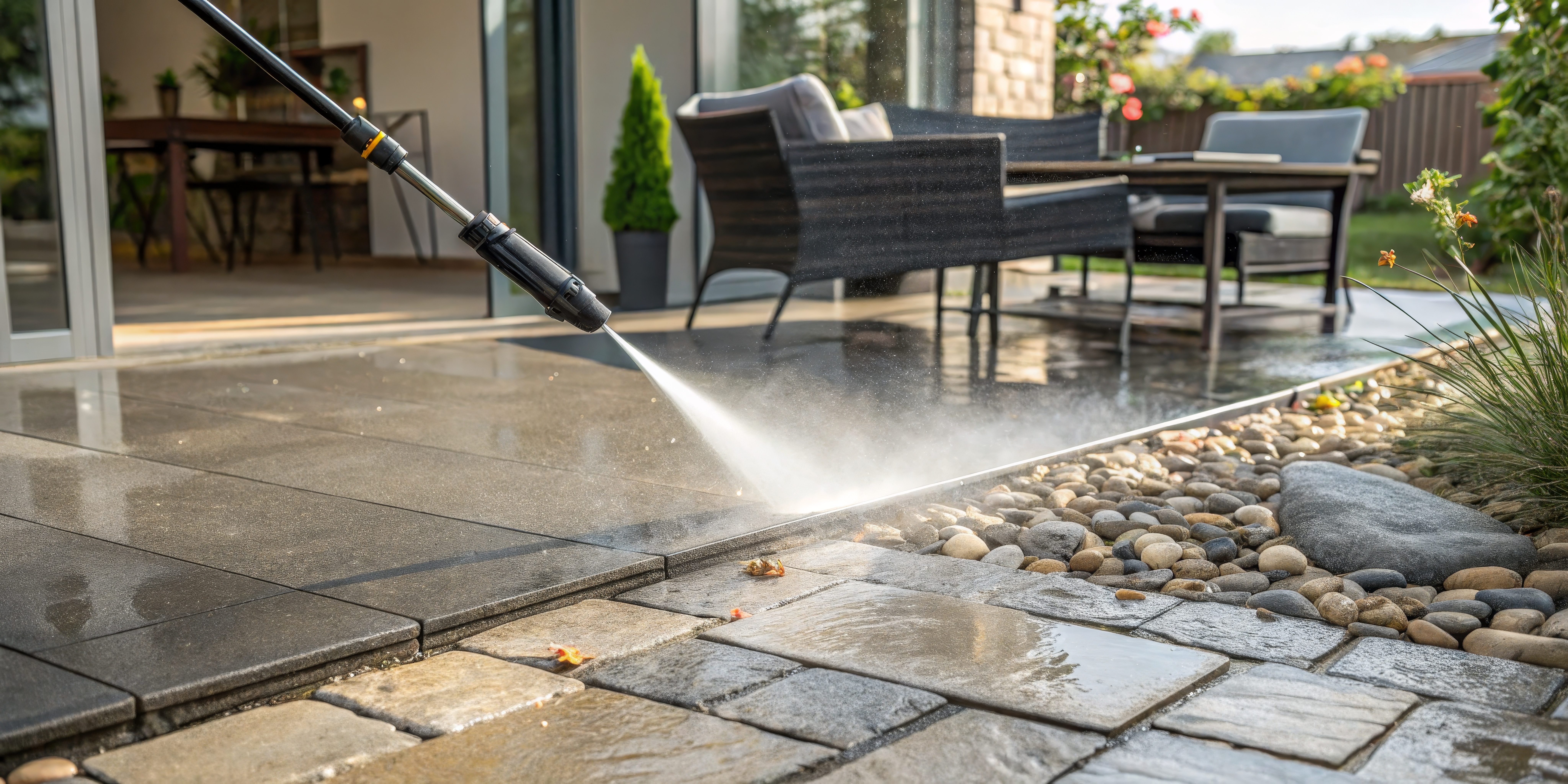
Your patio is more than just an outdoor surface - it's an extension of your living space, a place where memories are made, and likely one of the more significant investments in your home's exterior. Whether you have a simple concrete slab, elegant natural stone, or intricate paver design, your patio represents thousands of dollars and countless hours of enjoyment. But without proper maintenance, that investment can deteriorate rapidly, turning from a backyard showpiece into an eyesore in just a few seasons.
In this guide, we'll explore why patio maintenance matters, how Maryland's climate affects your outdoor surfaces, and what you can do to protect and extend the life of your outdoor living space.
The Real Cost of Patio Installation
To understand why maintenance matters, it helps to consider what you've invested. Patio installation costs in Maryland vary significantly based on materials and complexity:
Average Patio Installation Costs in Maryland
When you consider that a well-maintained patio can last 25-50+ years, while a neglected one may need replacement in 10-15 years, the importance of maintenance becomes clear. Spending a few hundred dollars annually on cleaning and care can literally save you tens of thousands in premature replacement costs.
How Neglect Damages Your Patio
Maryland's climate creates the perfect conditions for patio deterioration. Understanding these processes helps you appreciate why regular maintenance is essential.
Organic Growth: The Silent Destroyer
Algae, moss, lichen, and mildew don't just look bad - they actively damage your patio surfaces. These organisms:
- Produce acids that etch into concrete, stone, and grout, creating pitting and surface damage
- Retain moisture against surfaces, accelerating freeze-thaw damage in winter
- Penetrate pores and cracks, expanding as they grow and widening existing damage
- Create slip hazards when wet, increasing liability and safety concerns
In Maryland's humid climate, organic growth can establish itself within weeks during warm, damp weather. What starts as a thin green film can become thick moss coverage in a single season if left untreated.
The Freeze-Thaw Cycle
Maryland winters bring countless freeze-thaw cycles - temperatures rise above freezing during the day and drop below at night. This cycle is particularly destructive to patio surfaces:
- Water seeps into pores and cracks during warmer periods
- When temperatures drop, water expands as it freezes (by about 9%)
- This expansion forces cracks wider and creates new micro-fractures
- Repeated cycles progressively break down the surface structure
Surfaces covered with debris, organic growth, or standing water experience accelerated freeze-thaw damage because they retain more moisture.
Staining and Discoloration
Without regular cleaning, patios accumulate stains from:
- Leaf tannins that create dark, rust-colored marks
- Grill grease and food spills
- Fertilizer and lawn chemical runoff
- Rust from furniture and planters
- Mineral deposits from irrigation water
Fresh stains are relatively easy to remove. Old stains can become permanent, requiring expensive restoration or even surface replacement.
Joint and Grout Deterioration
For paver patios and any surfaces with mortar or polymeric sand joints, neglect accelerates deterioration:
- Weeds and grass grow in joints, forcing them apart
- Organic growth and debris wash away joint material
- Without stable joints, pavers shift, rock, and become uneven
- Water infiltration under pavers causes settling and heaving
How Maintenance Extends Patio Life
Regular maintenance interrupts all of these damage processes, dramatically extending your patio's functional and aesthetic life.
The Numbers Don't Lie
Studies by hardscape industry associations suggest that properly maintained patios can last 2-3 times longer than neglected ones. A well-cared-for paver patio can easily exceed 50 years, while one without maintenance may need significant repairs or replacement within 15-20 years.
Cleaning Removes Damaging Substances
Professional patio cleaning removes the organic growth, stains, and debris that cause deterioration. By eliminating these substances before they cause permanent damage, you preserve your patio's structural integrity and appearance.
Sealing Provides Protection
After cleaning, sealers create a protective barrier that:
- Reduces water absorption and freeze-thaw damage
- Makes stains easier to clean
- Inhibits organic growth
- Enhances and preserves color
- Protects against UV fading
Joint Maintenance Preserves Stability
Keeping joints filled with polymeric sand or mortar prevents shifting, reduces weed growth, and maintains proper drainage - all essential for long-term patio health.
Seasonal Care Guide for Maryland Patios
Maryland's distinct seasons each bring unique maintenance requirements. Following this seasonal approach keeps your patio in optimal condition year-round.
Spring (March - May)
Spring is the most important time for patio maintenance. After winter, your patio needs attention to recover from freeze-thaw cycles and prepare for heavy use during warmer months.
- Schedule professional pressure washing to remove winter buildup
- Inspect for any winter damage - cracks, shifted pavers, deteriorating joints
- Address any repairs before they worsen
- Consider sealing after cleaning for season-long protection
- Re-sand paver joints if material has washed away
Summer (June - August)
Summer brings heavy use and the potential for stains and spills. Regular attention prevents problems from setting in.
- Clean up spills promptly - especially grease from grills
- Sweep or blow off debris weekly
- Move planters and furniture periodically to prevent staining
- Watch for algae growth during humid periods
- Spot clean as needed to address stains before they set
Fall (September - November)
Fall preparation sets your patio up for winter survival. This is also an excellent time for professional cleaning.
- Remove fallen leaves regularly - don't let them decompose on surfaces
- Schedule professional cleaning to remove summer buildup before winter
- Inspect and repair any damage before freeze-thaw cycles begin
- Apply sealer if not done in spring (allow 2+ weeks before first freeze)
- Store or cover furniture to prevent rust staining
Winter (December - February)
Winter maintenance is minimal but important for preventing damage.
- Keep patio clear of snow and ice when possible
- Use calcium chloride instead of rock salt (less damaging to concrete and stone)
- Avoid using metal shovels or sharp ice scrapers
- Address standing water or ice dams that could cause damage
- Avoid piling snow on patio edges where it will melt and refreeze
Recommended Cleaning Schedule
How often should you have your patio professionally cleaned? The answer depends on several factors:
| Patio Environment | Recommended Frequency | Why |
|---|---|---|
| Under trees / shaded | Twice yearly | Higher organic growth, more debris accumulation |
| Full sun exposure | Once yearly | Less organic growth, sun helps dry surfaces |
| Heavy entertaining use | Twice yearly | More spills and wear require more frequent cleaning |
| Pool area / high moisture | 2-3 times yearly | Constant moisture promotes rapid organic growth |
| Light residential use | Once yearly | Basic maintenance sufficient for light use |
Signs Your Patio Needs Attention
Between scheduled cleanings, watch for these warning signs that indicate your patio needs immediate attention:
- Green or black discoloration: Algae, mold, or mildew growth that will worsen rapidly
- Visible moss: Indicates sustained moisture retention and active surface damage
- Weeds growing in joints: Joint material has failed and needs replacement
- Shifting or rocking pavers: Joint or base failure requiring repair
- Standing water: Drainage issues that will cause accelerated deterioration
- Flaking or spalling concrete: Surface damage from freeze-thaw cycles
- Visible staining: Stains become harder to remove the longer they remain
DIY vs Professional Maintenance
Some patio maintenance tasks are appropriate for homeowners, while others benefit from professional expertise.
Good DIY Tasks
- Regular sweeping and debris removal
- Prompt spill cleanup
- Basic spot cleaning for minor stains
- Moving furniture to prevent marks
- Leaf removal in fall
Best Left to Professionals
- Deep cleaning and organic growth removal
- Sealer application
- Joint re-sanding
- Stain treatment for set-in marks
- Paver resetting or leveling
- Crack and damage repair
Professional patio cleaning services use commercial equipment and techniques that achieve results impossible to replicate with consumer tools. Improper DIY pressure washing can actually damage patio surfaces, especially softer stones and older concrete.
The Bottom Line: Maintenance Pays for Itself
Consider this simple comparison: Spending $150-300 annually on professional cleaning, plus occasional sealing, might total $5,000-7,000 over 25 years. That investment protects a patio worth $5,000-25,000+ and extends its life by decades.
Without maintenance, you might save that $7,000 in care costs - but face a $10,000-25,000 replacement bill in 15 years instead of 40+. The math strongly favors consistent maintenance.
Your patio is where you gather with family, entertain friends, and enjoy your outdoor space. It deserves care that matches its importance in your home life. Regular professional cleaning, combined with smart seasonal maintenance habits, ensures your outdoor living space remains beautiful and functional for generations.
Ready to Protect Your Patio Investment?
Dean's BlueWave Services provides professional patio cleaning throughout Maryland. Our gentle yet effective techniques restore beauty while preserving your patio's structural integrity.
Schedule Your Cleaning Call: 667-435-1130