Nothing diminishes your home's curb appeal quite like dark, unsightly oil stains spreading across your driveway. Whether from a leaky vehicle, a lawn mower mishap, or a minor automotive repair project, oil stains are among the most stubborn blemishes Maryland homeowners face. The good news? They can be removed. The challenging news? The effectiveness of removal depends significantly on the stain's age, the type of oil, and the method used.
In this comprehensive guide, we'll walk you through various approaches to oil stain removal - from DIY methods you can try this weekend to professional solutions for the most stubborn stains. We'll also cover prevention strategies to keep your driveway looking pristine.
Understanding Different Types of Oil Stains
Before attempting removal, it's helpful to understand what you're dealing with. Not all oil stains are created equal, and different substances require different approaches.
Motor Oil
The most common driveway stain. Dark brown or black in color, penetrates deeply into porous concrete. Fresh stains respond better to treatment than old ones.
Transmission Fluid
Typically reddish-pink in color. Can be easier to spot early but equally challenging to remove once absorbed into concrete.
Brake Fluid
Clear to amber colored. Particularly damaging to concrete as it can strip sealers and cause surface deterioration if left untreated.
Power Steering Fluid
Can be clear, amber, or red depending on type. Similar treatment approach to motor oil but may respond better to certain degreasers.
Why Oil Stains Are So Difficult to Remove
Concrete is surprisingly porous. Under a microscope, it resembles a sponge more than a solid surface. When oil drips onto concrete, it doesn't just sit on top - it seeps into countless tiny pores and capillaries within the material. The longer oil sits, the deeper it penetrates.
Additionally, oil is hydrophobic, meaning it repels water. This is why simply hosing down an oil stain or even scrubbing with soap and water rarely works. Effective removal requires breaking down the oil's molecular structure or absorbing it out of the concrete.
DIY Oil Stain Removal Methods
If you want to tackle the stain yourself, here are methods ranging from simple household remedies to more intensive approaches. Success rates vary based on stain age and severity.
Absorbent Materials Method
What you need: Cat litter, sawdust, or cornstarch
How it works: For fresh oil spills (within the first few hours), absorbent materials can draw oil out of the concrete before it fully penetrates.
- Cover the entire stain generously with cat litter (clay-based, not clumping)
- Grind the litter into the stain using your foot or a brick
- Leave for 24-48 hours
- Sweep up and dispose of properly
- Repeat if needed
Effectiveness: Good for fresh stains, minimal effect on older stains
Dish Soap and Scrub Brush Method
What you need: Dish soap (Dawn works well), stiff bristle brush, hot water
How it works: Dish soap contains surfactants that can break down oil. Combined with agitation, this can lift lighter stains.
- Squirt dish soap generously over the stain
- Add a small amount of hot water
- Scrub vigorously with a stiff brush for 5-10 minutes
- Let sit for 30 minutes
- Rinse with hot water
- Repeat 2-3 times for better results
Effectiveness: Moderate for recent stains (less than a week old)
Commercial Degreaser Method
What you need: Commercial concrete degreaser (available at hardware stores), stiff brush, garden hose
How it works: These products contain specialized chemicals designed to break down petroleum products.
- Apply degreaser according to package directions (usually requiring the surface to be dry)
- Let sit for recommended time (typically 30 minutes to several hours)
- Scrub thoroughly with stiff brush
- Rinse completely with water
- May require multiple applications
Effectiveness: Moderate to good depending on stain age and product quality
Poultice Method
What you need: Trisodium phosphate (TSP), diatomaceous earth or powdered laundry detergent, water
How it works: A poultice draws oil out of concrete over an extended period through absorption and chemical action.
- Mix TSP with diatomaceous earth and enough water to form a thick paste
- Spread 1/2 inch thick layer over stain, extending past edges
- Cover with plastic wrap, tape edges to seal
- Leave for 24-48 hours
- Remove plastic, let poultice dry completely
- Scrape off dried poultice and dispose
- Scrub area with TSP solution and rinse
Effectiveness: Good to very good, but time-consuming and labor-intensive
Important Safety Note
When using chemical products like TSP or commercial degreasers, always wear gloves and eye protection. Work in well-ventilated areas and keep products away from plants, grass, and storm drains. TSP is particularly caustic and can harm vegetation and aquatic environments.
Why DIY Methods Often Fall Short
While the methods above can help with fresh or minor stains, they frequently fail to completely remove older or larger oil spots. Here's why:
- Surface Treatment Only: Most DIY methods work primarily on the surface. Oil that has penetrated deeply (which happens within hours) remains trapped below.
- Temperature Limitations: Oil removal is significantly more effective with heat. Hot water from a tap is warm at best; professional equipment heats water to much higher temperatures.
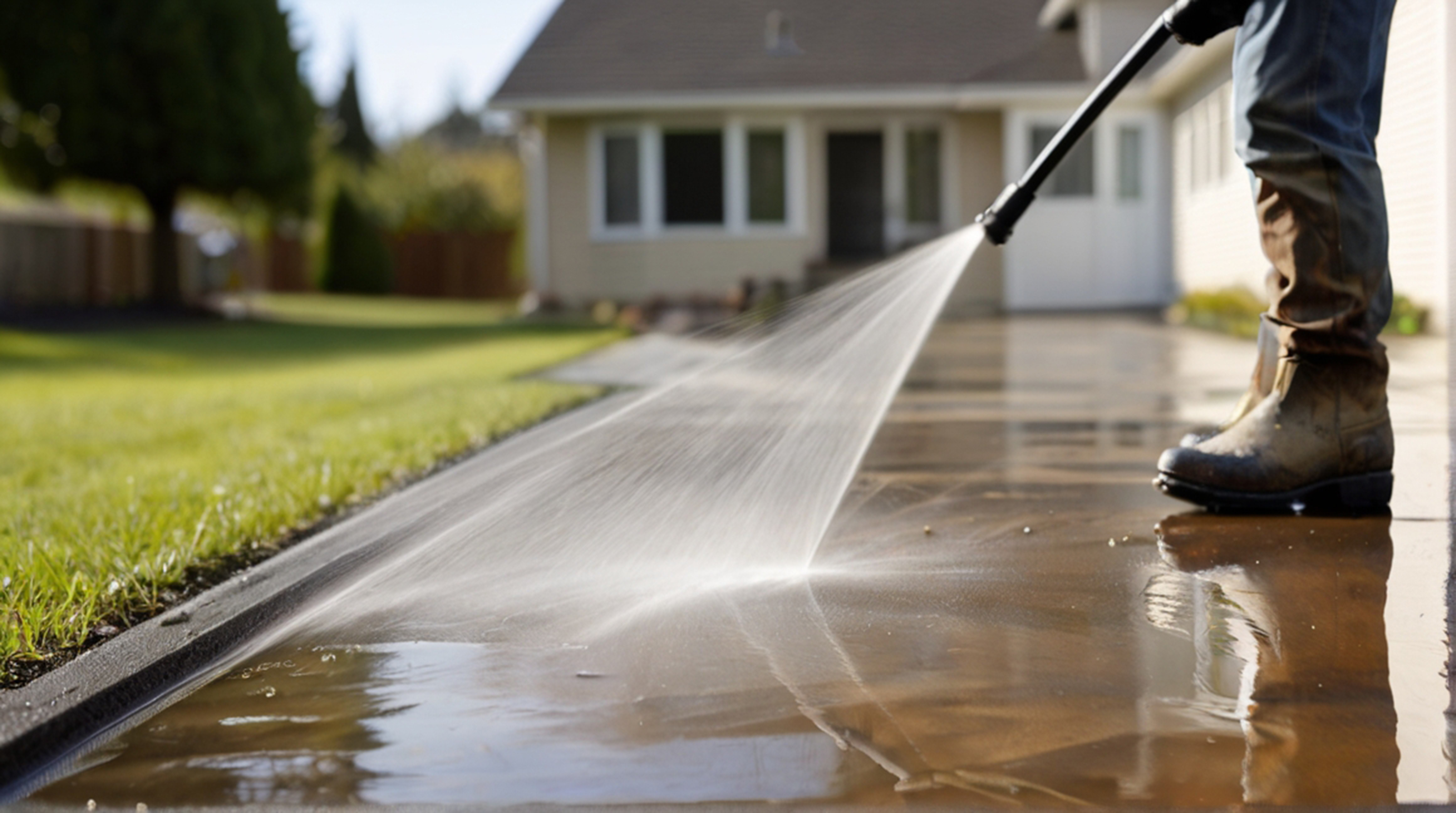
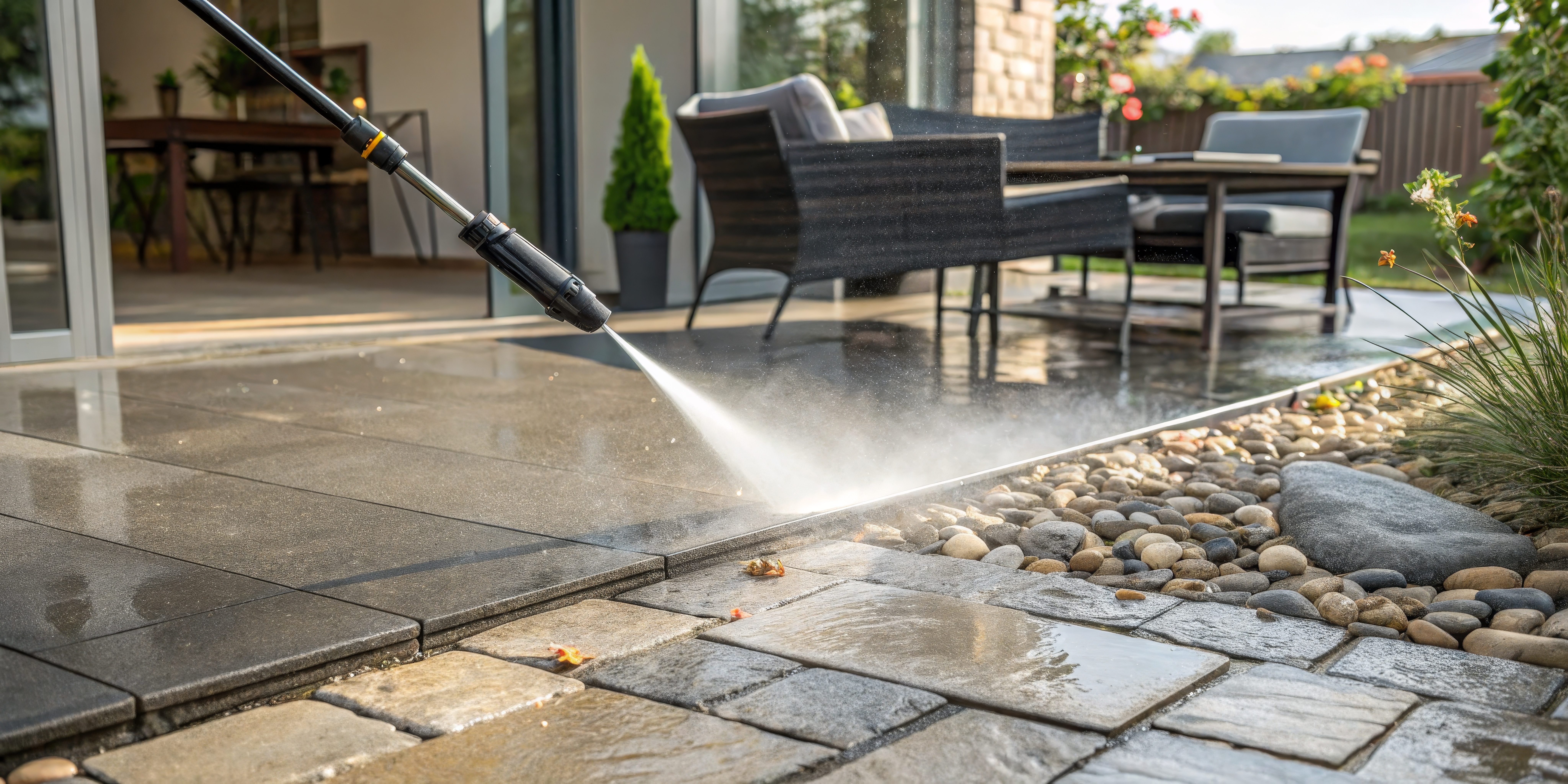
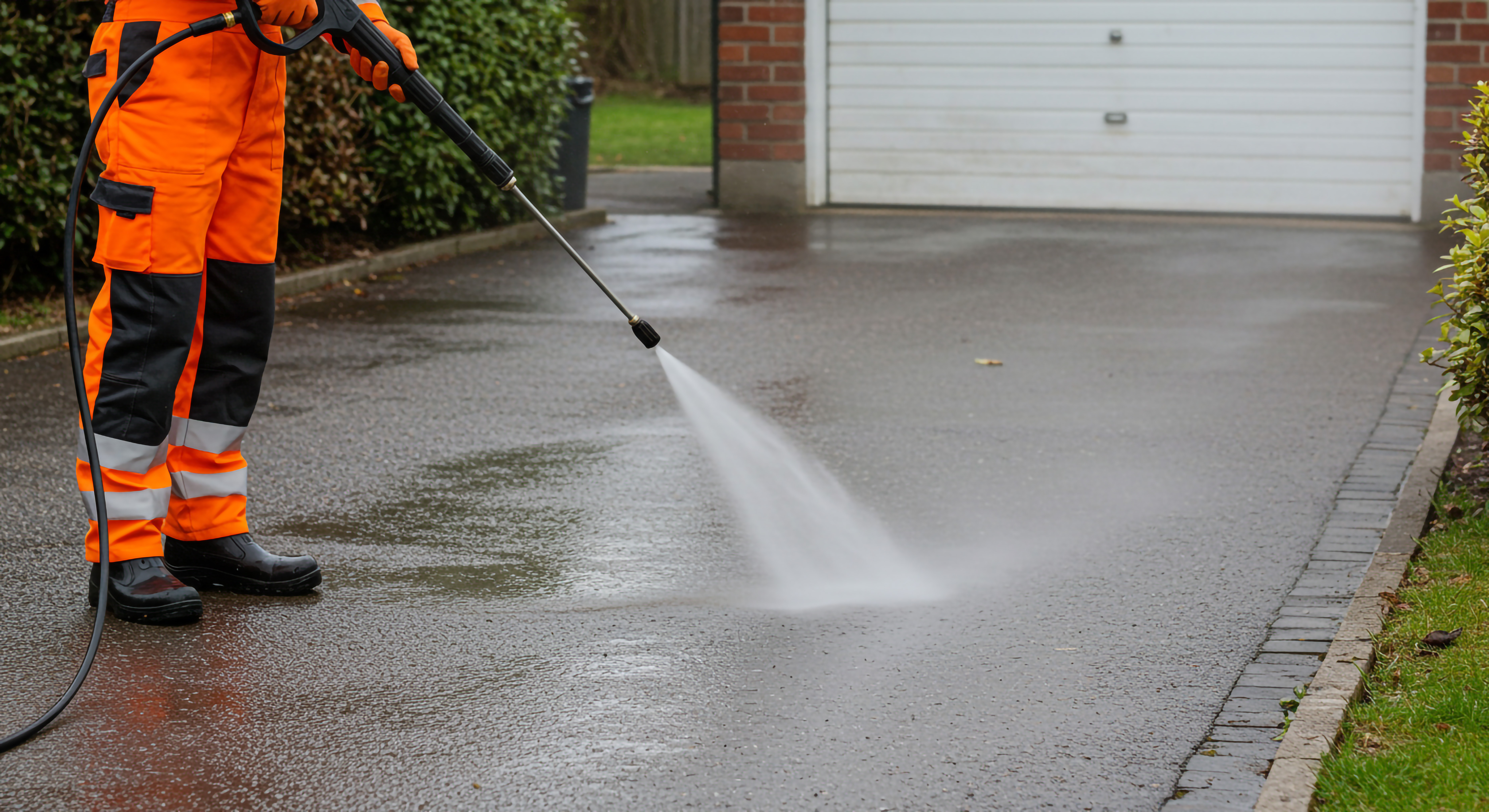
- Pressure Limitations: Even vigorous scrubbing can't match the cleaning power of commercial pressure washing equipment.
- Chemical Effectiveness: Consumer-grade degreasers are formulated to be safe for home use, which limits their strength. Professional-grade products are more powerful.
- Incomplete Removal: Partial stain removal can sometimes look worse than the original stain, creating an uneven, blotchy appearance.
The Professional Advantage for Oil Stain Removal
Professional driveway cleaning services offer significant advantages for oil stain removal:
Hot Water Pressure Washing
Our commercial equipment heats water to temperatures exceeding 200 degrees Fahrenheit. At these temperatures, oil becomes less viscous and releases from concrete pores far more readily. Combined with high pressure, hot water cleaning penetrates deep into concrete to extract oil that surface treatments can't reach.
Commercial-Grade Degreasers
We use professional degreasers that are significantly more effective than consumer products. These specialized formulas are designed to break down petroleum products at the molecular level, allowing complete extraction rather than partial removal.
Surface Cleaning Equipment
Professional surface cleaners provide uniform cleaning pressure across wide areas, preventing the streaking and uneven results common with DIY attempts. This means stain removal blends seamlessly with the surrounding concrete.
Experience and Technique
Different stains require different approaches. Experienced technicians can identify stain types, assess how deeply oil has penetrated, and adjust their technique accordingly. This expertise prevents the damage that can occur when incorrect methods are applied to concrete.
Prevention: Keeping Oil Off Your Driveway
The best oil stain is one that never happens. Here are strategies to protect your driveway:
Drip Pans and Mats
If you have a vehicle that leaks, place a drip pan or absorbent mat under it when parked. These inexpensive solutions catch drips before they reach concrete. Oil-absorbent mats are available at auto parts stores and can be disposed of properly when saturated.
Concrete Sealers
Sealing your driveway creates a barrier that prevents oil from penetrating into the concrete pores. While sealed concrete can still stain, the stains remain on the surface where they're much easier to clean. Professional sealing should be done every 2-3 years for best protection.
Address Leaks Promptly
That small drip from your car engine will only get worse. Addressing vehicle leaks promptly not only protects your driveway but prevents more expensive mechanical problems down the road.
Act Quickly on Spills
If oil does spill, immediate action makes a huge difference. Keep cat litter or an oil-absorbing product in your garage. The faster you absorb fresh oil, the less will penetrate into the concrete.
Regular Cleaning
Regular pressure washing prevents minor contamination from building up into visible stains. Small amounts of oil from normal use accumulate over time; periodic cleaning removes this buildup before it becomes noticeable.
When to Call a Professional
Consider professional cleaning when:
- The stain is larger than a few square feet
- The stain has been present for more than a few weeks
- DIY methods have failed or made the stain look worse
- You have multiple stains or widespread discoloration
- You want to clean the entire driveway for uniform results
- You're preparing your home for sale and need reliable results
Remember that attempting aggressive DIY treatments on stubborn stains can sometimes cause additional damage, including etching, discoloration, or surface deterioration. When in doubt, professional assessment can help determine the best approach.
Stubborn Oil Stains Ruining Your Driveway?
Dean's BlueWave Services specializes in removing tough oil stains from driveways throughout Maryland. Our hot water pressure washing and professional degreasers achieve results that DIY methods can't match.
Get a Free Quote Call: 667-435-1130